9. Listening to Music and Its Powerful Effect on Creativity
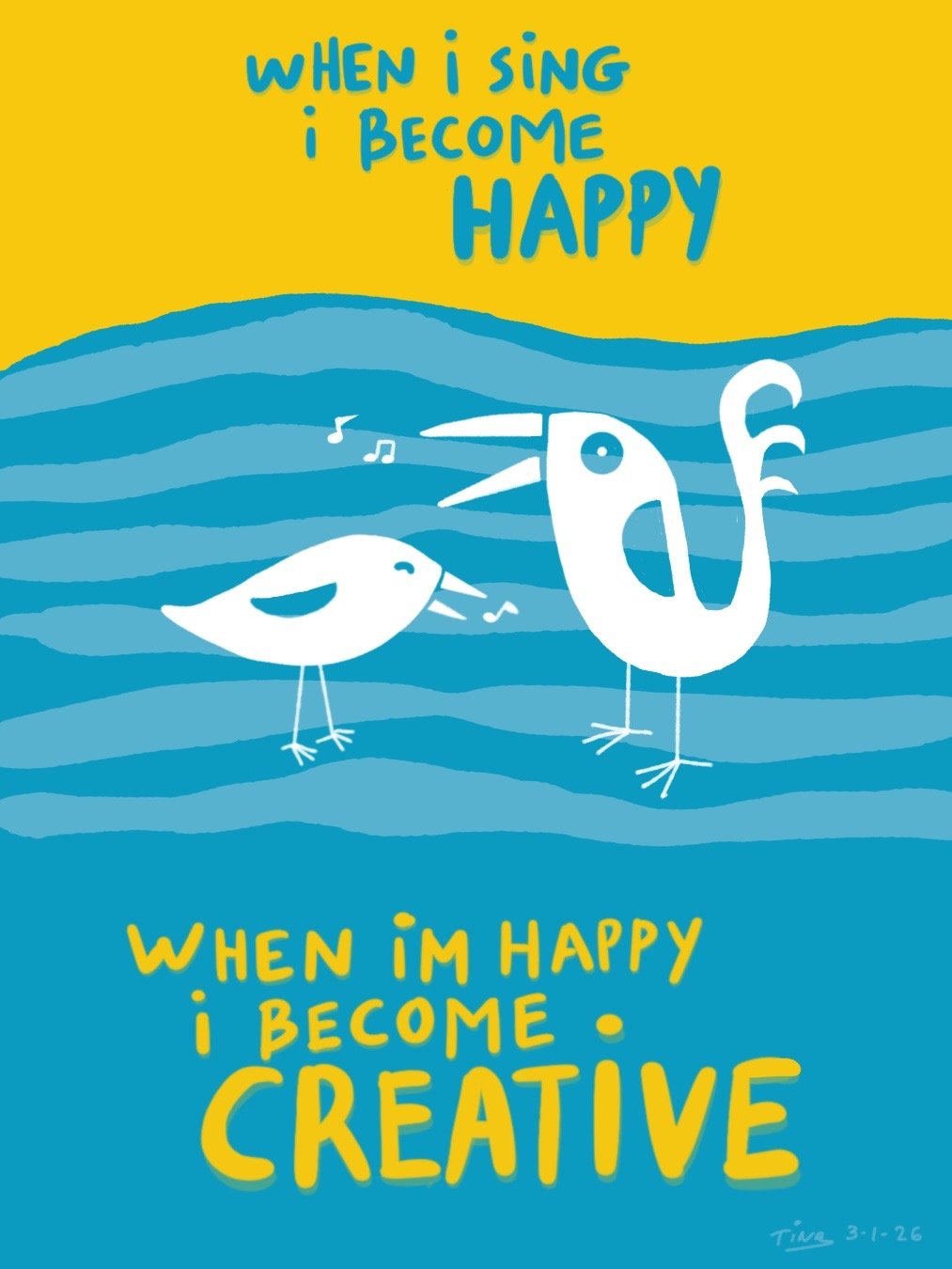
There’s something almost mystical about the way music moves us. A single song can unlock a memory you haven’t touched in years. A soft instrumental can quiet mental noise. A steady rhythm can carry you into focus before you even realize it’s happening. For creatives — especially those returning to their creative lives after time away — music can be more than background sound. It can become a bridge. A catalyst. A companion.
Nyingje & Tina
3/1/20263 min read
Note: This website contains some affiliate links. If you click on them, I may receive a small commission. The commission is paid by the retailers at no cost to you. This helps to support our website & keeps these articles free for you to read & refer to for your creative journey.
There’s something almost mystical about the way music moves us.
A single song can unlock a memory you haven’t touched in years. A soft instrumental can quiet mental noise. A steady rhythm can carry you into focus before you even realize it’s happening.
For creatives — especially those returning to their creative lives after time away — music can be more than background sound. It can become a bridge. A catalyst. A companion.
Let’s explore why.
What Happens in the Brain When We Listen to Music?
When you listen to music, your brain doesn’t just “hear” it. Multiple regions activate at once — areas responsible for emotion, memory, attention, movement, and even imagination.
Music stimulates the limbic system (which processes emotion), the hippocampus (which helps form memories), and the prefrontal cortex (which supports decision-making and creative thinking). In other words, music engages both feeling and thinking — two essential components of creativity.
Dopamine, often called the “motivation” neurotransmitter, is also released when we listen to music we enjoy. This boost can increase focus, enhance mood, and make creative work feel more rewarding.
And here’s the beautiful part: your brain doesn’t sharply separate listening from imagining. When you hear music, especially instrumental music, your brain often begins to fill in gaps — creating imagery, narrative, mood. That internal imagery is the soil from which creative ideas grow.
Music primes the mind for possibility.
Music as a Regulator of the Nervous System
Many late creatives struggle not with lack of ideas, but with overwhelm. After years of responsibility, productivity, or stress, the nervous system can remain in a state of tension.
Music can help regulate that.
Slow, ambient, or instrumental music can lower heart rate and calm the stress response. This creates a state more conducive to creative flow — where curiosity replaces urgency.
On the other hand, upbeat or rhythmic music can gently energize you when you’re feeling stuck or sluggish.
In this way, music becomes a tuning fork. You can use it intentionally to shift your internal state before you begin creating.
Before you sit down to write, paint, or compose, ask yourself:
Do I need calming or energizing?
Do I want focus or emotional depth?
Do I need grounding or inspiration?
Then choose music that supports that intention.
Different Types of Music for Different Creative Goals
Not all music serves the same purpose — and that’s part of the magic.
Instrumental music (lofi, classical, ambient, jazz without vocals) often supports deep focus. Without lyrics competing for language-processing centers in the brain, you may find it easier to write, design, or think abstractly.
Music with lyrics can inspire storytelling, emotional resonance, and thematic exploration. A lyric might spark an idea. A melody might guide the tone of your work.
Familiar music can create comfort and safety — ideal when you’re easing back into creativity.
New music can stimulate novelty and curiosity — useful when you’re feeling stagnant.
There’s no universally “best” music for creativity. The best choice is the one that supports your internal rhythm.
Creating Ritual Through Sound
One of the most powerful ways to use music creatively is through ritual.
When you play the same playlist before beginning your creative practice, your brain begins to associate that sound with that activity. Over time, this creates a neurological shortcut. Simply hearing those songs can signal, It’s time to create.
This is classical conditioning — but in the gentlest, most supportive way.
You might create:
A “beginning” playlist to ease you into flow
A “deep work” playlist for sustained focus
A “dreaming” playlist for brainstorming and imagining
A “completion” playlist to celebrate finishing
Music can frame the entire creative arc.
Music as Emotional Access
Creativity isn’t only about productivity — it’s about expression. And sometimes, what blocks us isn’t lack of skill, but difficulty accessing emotion.
Music has a way of unlocking emotional layers without forcing them.
If you’re writing and feeling disconnected, try playing a piece that mirrors the emotional tone you’re seeking. If you’re painting and feeling flat, choose music that stirs something — nostalgia, tenderness, longing, joy.
Music can bypass the analytical mind and open the door to feeling. And feeling is often where authentic creativity begins.
A Gentle Invitation
You don’t need to over-engineer this. You don’t need the “perfect” playlist.
Start simply.
Notice what happens in your body when certain songs play. Notice when ideas flow more easily. Notice when your shoulders relax or your mind sharpens.
Music is not a productivity hack. It’s a creative ally.
For many of us, especially those reclaiming creativity later in life, music reconnects us to earlier versions of ourselves — the teenager lost in headphones, the child humming while drawing, the dreamer staring out the window with a song looping quietly in the background.
That version of you is still here.
Press play.
Let the sound hold you.
Let it carry you forward.
Reflection: What kind of music makes you feel most creative — and how might you intentionally weave it into your next creative session?